
EY Urges India to Build Strategic Reserves Amid Global Tensions
Advisory firm calls for stronger financial buffers to protect economy from external shocks
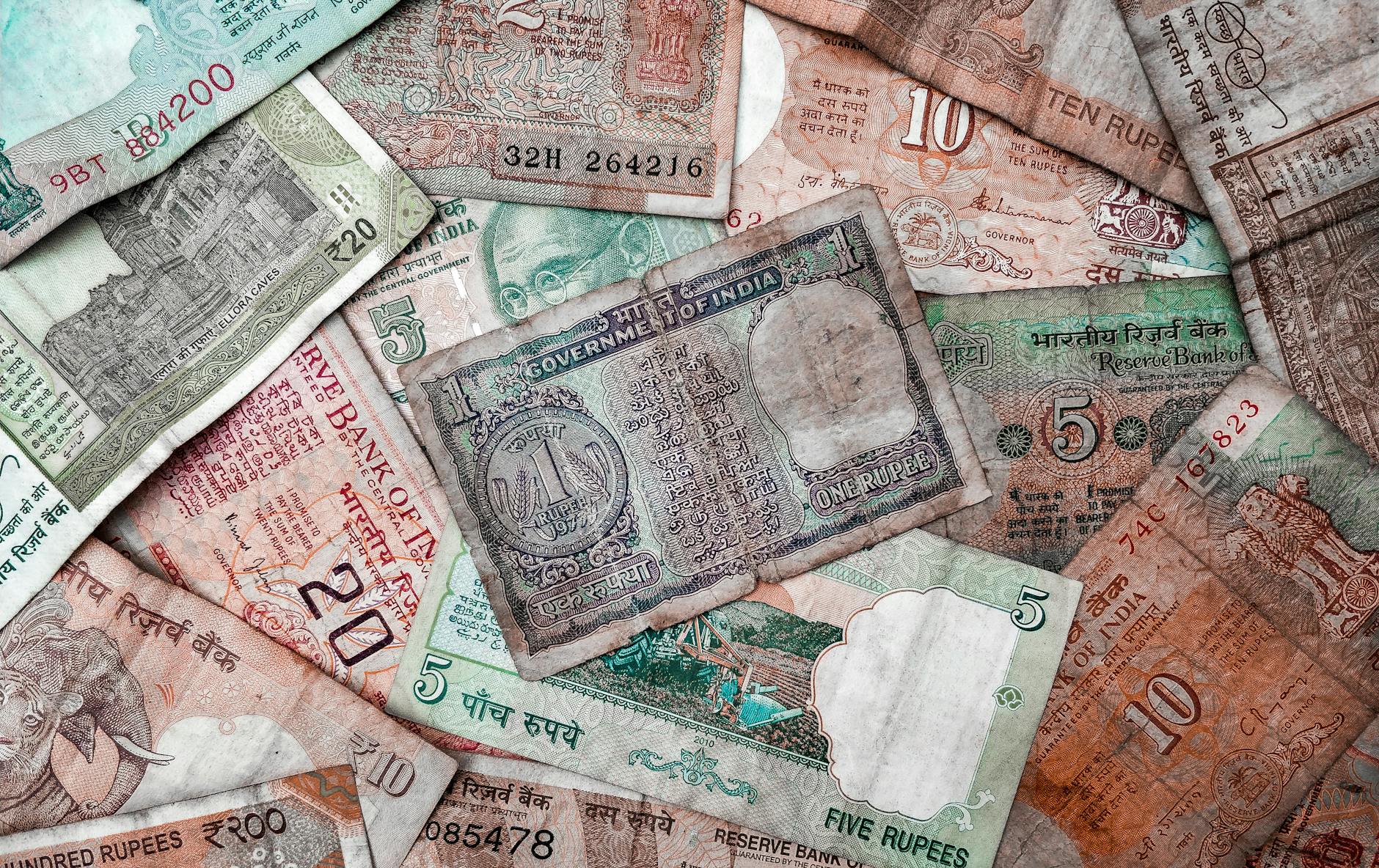
EY Calls for Urgent Reserve Building
Global advisory firm EY has issued a strategic warning for India: the nation must urgently strengthen its financial and commodity reserves to navigate an increasingly volatile geopolitical landscape. The report comes as trade conflicts, regional tensions, and supply-chain fragmentation create fresh risks for emerging economies.
EY's analysis highlights that India's current reserve position, though adequate, may fall short during prolonged crises. The firm recommends a comprehensive approach to building buffers across foreign exchange, energy, and critical minerals.
The Reserve Cushion India Needs
Foreign exchange reserves act as India's primary shield against external shocks. When global markets turn turbulent, countries with robust reserves can stabilize their currencies, meet import payments, and retain investor confidence without emergency borrowing.
India imports nearly 80% of its crude oil and relies heavily on global supply chains for semiconductors and critical minerals. This dependency makes the economy vulnerable to price spikes and supply disruptions triggered by geopolitical events.
The report points to historical lessons. During the 2008 financial crisis and the 2020 pandemic, countries with strong reserve positions weathered shocks far better than those caught unprepared. With geopolitical tensions showing no signs of easing, EY argues that strategic buffering is no longer optional—it's essential for economic security.
What EY Recommends
The advisory firm outlines four key pillars for India's reserve strategy:
First, boost foreign exchange reserves. India should accumulate reserves through trade surpluses, foreign investment inflows, and prudent central bank management. The current import cover ratio needs strengthening to provide a larger safety margin.
Second, expand strategic petroleum reserves. Given India's heavy oil dependence, building or expanding petroleum stockpiles will reduce vulnerability to supply shocks and price volatility during geopolitical crises.
Third, maintain fiscal discipline. Reserve building requires balancing growth investments with debt management. A sustainable debt-to-GDP ratio ensures the government retains flexibility to respond when crises hit.
Fourth, diversify reserve holdings. Moving beyond traditional safe-haven currencies reduces concentration risk and provides greater flexibility during currency market stress.
Why This Matters for India's Economy
Stronger reserves deliver benefits beyond crisis protection. Countries with substantial buffers enjoy lower borrowing costs, attract more foreign capital, and gain greater policy independence. Investors view healthy reserves as proof of economic stability and creditworthiness.
For India, robust reserves empower the Reserve Bank of India to manage inflation effectively, defend the rupee during stress, and maintain monetary policy autonomy. They also strengthen India's voice in international economic forums and reduce dependence on external financing.
The timing of EY's report is significant. While India's growth remains respectable, inflation pressures, current account vulnerabilities, and global uncertainties demand a more cautious reserve management approach. Trade friction between major powers, supply-chain fragmentation, and regional conflicts suggest prolonged economic uncertainty ahead.
The Road Ahead
Building strategic reserves over the medium term requires coordinated action: boosting exports and foreign investment, maintaining fiscal prudence, investing in domestic energy security, and executing prudent monetary policy. None of these steps is revolutionary, but their urgency has increased given the geopolitical backdrop.
EY's bottom line is unambiguous: in an uncertain world, India cannot be complacent about its reserve position. Proactive efforts to strengthen financial and strategic buffers today will enhance economic resilience and give policymakers more options when the next crisis arrives.
The report serves as a timely reminder that economic preparedness is built during calm periods, not during storms. For India's policymakers, the message is clear—act now to secure the economy's future stability.
Based on reports from Google News — Indian Economy.
Impact analysis
NEUTRALEY's recommendation for reserve building signals a cautious economic outlook but supports long-term stability. Strengthening buffers could boost investor confidence in India's resilience, though implementation requires fiscal discipline that may constrain near-term spending.
- →Call for increased reserves reflects growing concern about external vulnerabilities in India's economy
- →Energy stockpiling recommendations could benefit oil marketing companies and storage infrastructure plays
- →Fiscal discipline emphasis may pressure government spending and limit immediate stimulus measures
- →Stronger reserves would improve India's credit profile and potentially lower sovereign borrowing costs
What to watch next
Monitor India's monthly foreign exchange reserve data from RBI and government announcements on strategic petroleum reserve expansion. Any escalation in global geopolitical tensions—particularly affecting oil supply routes—would increase urgency for these measures.
Frequently asked
Why does India need strategic reserves now?+
With rising geopolitical tensions, trade conflicts, and supply-chain fragmentation, India faces greater risk of external shocks. Strategic reserves—both foreign exchange and commodity stockpiles—provide a buffer to absorb currency volatility, supply disruptions, and capital flight without resorting to emergency measures or destabilizing the economy.
How do strategic reserves help the Indian economy?+
Reserves stabilize the rupee during crises, ensure India can meet import payments (especially for oil), maintain investor confidence, and give the RBI flexibility in monetary policy. Countries with strong reserves also enjoy lower borrowing costs and greater economic credibility internationally.
What are strategic petroleum reserves?+
These are government-controlled stockpiles of crude oil and petroleum products stored to protect against supply disruptions. Since India imports 80% of its oil, maintaining these reserves ensures the economy can function even if global supply is interrupted by geopolitical events or natural disasters.
Will building reserves slow India's growth?+
Not necessarily. While reserve accumulation requires fiscal discipline and may limit some spending, it actually supports long-term growth by reducing vulnerability to crises, lowering borrowing costs, and attracting foreign investment. The key is balancing reserve building with productive growth investments.
Based on reports from Google News — Indian Economy.
More in Economy
View all →
Impact of US-Iran War on India's Economy and Stability

India's Economic Stability at Risk Amid US-Iran Tensions
India Faces Economic Challenges Amid Ongoing US-Iran Conflict

Impact of US-Iran War on India's Economic Stability
India Faces Economic Crisis Amid US-Iran Tensions
