
India's 3F Problem: Why US Policy Volatility Poses a Bigger Risk
India's fiscal, foreign exchange, and food challenges are manageable, but erratic US policy decisions pose a more significant threat to economic stability.
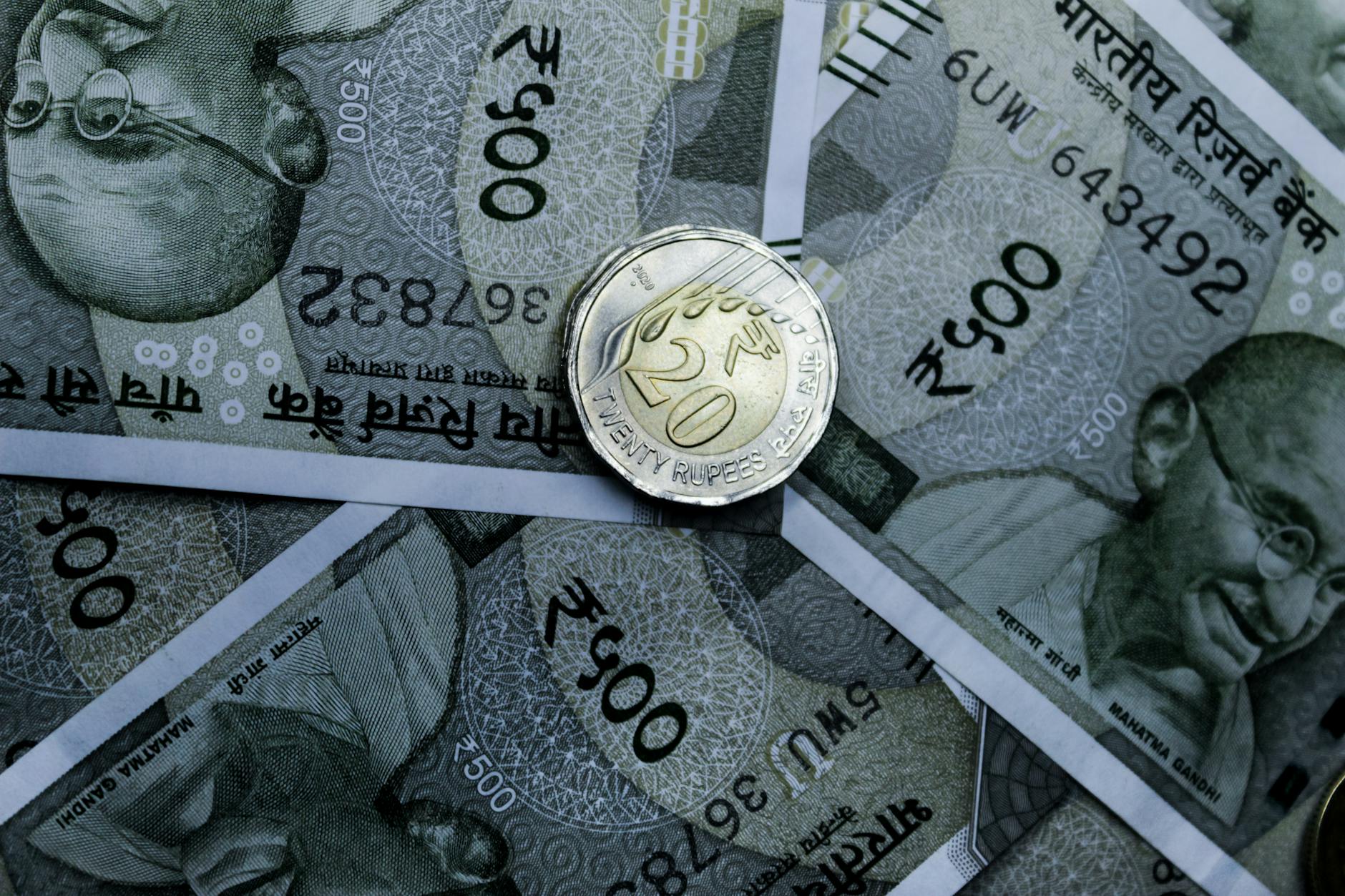
The Real Threat to India's Economic Stability
India faces what analysts term the "3F problem"—fiscal concerns, foreign exchange pressures, and food inflation. Yet these structural challenges, while requiring attention, are neither unprecedented nor insurmountable for an economy of India's scale and resilience. The greater danger lurks elsewhere: the unpredictable policy shifts emanating from the United States, which threaten to upend global trade dynamics and capital flows in ways New Delhi cannot fully control.
This distinction matters critically for investors, policymakers, and observers trying to assess India's economic trajectory. The difference between a manageable domestic challenge and an external shock that blindsides the entire emerging markets ecosystem is the difference between navigating headwinds and facing a storm that changes direction without warning.
Understanding India's 3F Problem
Fiscal Pressures
India's fiscal position—the balance between government revenue and expenditure—remains tight but within historical norms. Like most developing economies, India must balance capital investment, social spending, and debt servicing. The government has managed this through a combination of tax revenue growth, disinvestment proceeds, and prudent borrowing. While fiscal consolidation remains a medium-term goal, the current deficit is not alarming when viewed against growth rates and inflation metrics.
Foreign Exchange Management
India's foreign exchange reserves stand at robust levels, providing a substantial buffer against external shocks. Currency volatility linked to dollar strength is a cyclical concern, not a crisis. India's remittance inflows, IT services exports, and diversified trade partnerships all contribute to foreign exchange availability. Yes, import cover needs monitoring, but the fundamentals remain sound.
Food Inflation
Agricultural price fluctuations have always been a feature of India's economy. Recent food inflation, driven by monsoon variability and global commodity cycles, is neither permanent nor unmanageable. India's agricultural policies, buffer stocks, and trade mechanisms provide tools to address supply-side pressures. Food inflation, while politically sensitive, does not destabilise the broader economic structure.
Together, these three factors require vigilant policy response but do not constitute an existential threat. India has navigated similar periods before. The real problem is that external factors—specifically US policy—can amplify or neutralize the impact of these domestic challenges with capricious timing.
Why US Policy Volatility Is the Elephant in the Room
Unpredictability as Economic Weapon
The United States, as the world's largest economy and custodian of the global reserve currency, wields disproportionate influence over capital flows, trade terms, and technology access. When US policy shifts without warning—tariffs announced via social media, trade deals reversed, sanctions imposed—the global economy absorbs shock waves. India, as an emerging market integrated into global value chains, faces real consequences.
A sudden US tariff on Indian steel or pharmaceuticals can disrupt export earnings. Aggressive dollar-strengthening policies can drain reserves. Technology export controls can slow India's digital economy. None of these are abstract risks; they are immediate, measurable threats that Indian policymakers cannot fully mitigate through domestic action alone.
Capital Flow Volatility
Foreign institutional investors react to US policy signals faster than they respond to Indian fundamentals. When the Federal Reserve signals tighter money or the US administration implements trade-hostile measures, capital flees emerging markets en masse. This herd behaviour, while irrational at the margin, creates real liquidity pressures and currency weakness that hit India's equity and debt markets.
The asymmetry is stark: India cannot control US interest rate policy, but it suffers when capital investors re-price risk and redeploy towards US assets. This dynamic favours larger economies and wealthy nations while disadvantaging emerging markets that depend on foreign capital for growth financing.
Trade and Technology Dimensions
India's tech services sector—a cornerstone of export earnings and job creation—faces potential curbs on visa policies, outsourcing restrictions, or data localisation demands from the US. Such moves, while appearing minor in isolation, can cumulatively reduce India's competitive advantage in global markets. Pharma exports, agricultural trade, and IT services all face latent policy risk from Washington.
Why the 3F Problem Remains Manageable
India's policy arsenal for addressing fiscal, forex, and food challenges is well-established. The Reserve Bank of India commands respect for inflation management. The government has room to adjust spending priorities. Agricultural investment and trade policy tools remain in New Delhi's hands. These are not problems that signal economic collapse or structural failure.
Contrast this with the US policy dimension: India's policymakers can prepare, hedge, and adapt, but they cannot fundamentally alter the fact that external decisions—made in Washington by an administration whose priorities shift with political cycles—will continue to create volatility. This is not a problem that can be solved through better inflation targeting or fiscal discipline.
The Path Forward
Acknowledging the gap between domestic and external risks reshapes economic strategy. India should continue addressing the 3F problem with standard policy tools. But simultaneously, the country must invest in hedging mechanisms: diversifying export markets, building strategic partnerships beyond traditional alignments, strengthening self-reliance in critical sectors like semiconductors and defence production, and maintaining larger-than-usual forex buffers as insurance against external shocks.
The 3F problem is real but not a crisis. US policy whimsy, however, is a permanent feature of the global economic landscape—and that is the elephant that demands focus and preparation.
Frequently asked
What is India's 3F problem?+
The 3F problem refers to three domestic economic challenges: fiscal pressures (government spending vs revenue balance), foreign exchange management (currency and reserve levels), and food inflation (agricultural price volatility). While these require policy attention, they are neither unprecedented nor unmanageable for India's economy.
Why is US policy more threatening than India's 3F problem?+
The US controls global capital flows, the reserve currency, and sets trade policy. Unpredictable US tariffs, interest rate shifts, or tech restrictions create external shocks that India cannot fully control, unlike domestic challenges that policymakers can address through established tools.
How does US policy volatility affect India specifically?+
US decisions on tariffs, visa policies, and tech export controls directly impact India's IT services, pharma, and steel exports. Capital flows to Indian markets often respond more to Fed policy than Indian fundamentals, creating currency and equity market volatility.
What is India's current foreign exchange position?+
India maintains robust foreign exchange reserves providing a substantial buffer. However, dollar strength cycles and US interest rate changes create ongoing volatility in currency markets and capital availability.
How should India prepare for external economic risks?+
India should continue addressing fiscal, forex, and food challenges with standard policy tools while simultaneously diversifying export markets, building strategic partnerships, strengthening self-reliance in critical sectors, and maintaining larger forex buffers as insurance against external shocks.
Based on reports from Google News — Indian Economy.
More in Economy
View all →
Impact of US-Iran War on India's Economy and Stability
India's Economic Stability at Risk Amid US-Iran Tensions
India Faces Economic Challenges Amid Ongoing US-Iran Conflict

Impact of US-Iran War on India's Economic Stability
India Faces Economic Crisis Amid US-Iran Tensions
