
IMF Warns Rising Oil Prices and Monsoon Could Slow India's FY27 Growth
India faces economic challenges from oil prices and agricultural risks.
BEARISH· HIGH
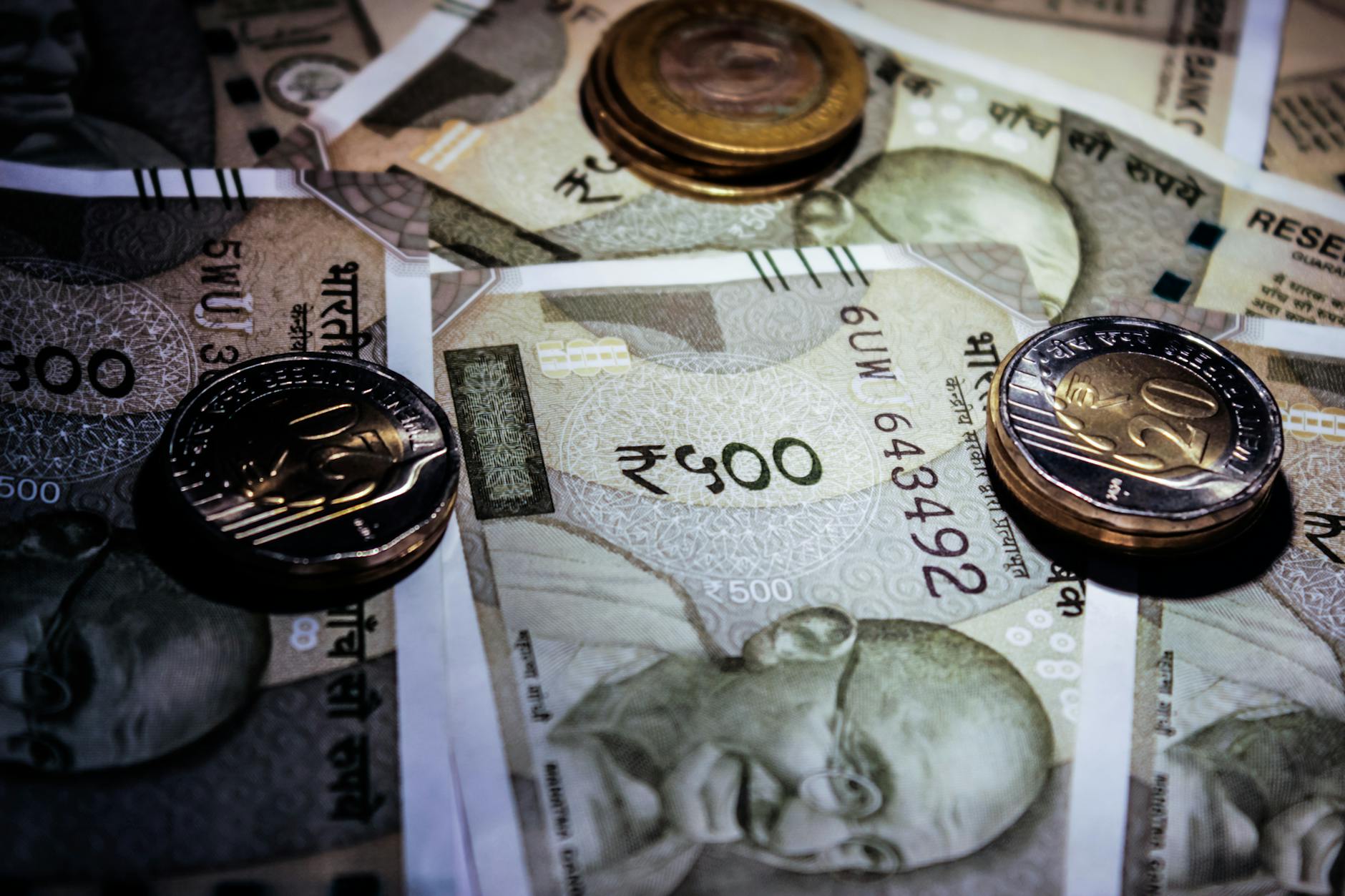
The International Monetary Fund (IMF) has issued a warning regarding the risks that rising oil prices and a weak monsoon pose to India's GDP growth for the fiscal year 2026-27 (FY27). These factors could significantly hinder the nation's economic recovery and development plans.
The IMF highlights that fluctuations in global oil prices are a major threat to India's economic outlook. As India heavily relies on oil imports, any substantial increase in oil prices can lead to inflationary pressures, impacting consumer spending and overall economic activity. Higher oil prices usually result in increased transportation and production costs. This rise can subsequently drive up prices for goods and services, eroding consumer purchasing power, which leads to reduced consumption and slower economic growth.
Moreover, increasing oil prices can widen India's trade deficit, as the country imports a significant portion of its crude oil. A larger trade deficit can negatively affect the value of the Indian rupee, complicating the economic landscape further.
The IMF also pointed out that a weak monsoon could adversely affect agricultural output, critical for the livelihoods of a large segment of the Indian population. Agriculture contributes significantly to India's GDP and employs about half of the workforce. A poor monsoon season can lead to lower crop yields, affecting food security and driving up food prices. This scenario can lead to increased inflation, straining household budgets and diminishing overall economic growth.
Since a significant portion of India's rural population relies on agriculture for their income, a weak monsoon can exacerbate poverty levels and reduce rural consumption. This can have a cascading effect on the economy, as rural demand is crucial for various sectors.
In light of these challenges, the Indian government may need to implement measures to mitigate the potential impacts of rising oil prices and a weak monsoon. This could include enhancing agricultural productivity through investment in irrigation and technology, as well as exploring alternative energy sources to reduce dependence on oil imports. Policy interventions aimed at stabilizing prices and ensuring food security will be essential to maintaining economic growth. The government may also need to consider measures to support affected sectors and vulnerable populations.
In the long run, developing a more resilient agricultural sector and diversifying energy sources can help shield the economy from external shocks, thereby fostering sustainable growth. The IMF's warning underscores the importance of addressing these vulnerabilities in India's economy. By taking proactive measures, the government can help ensure that the country remains on a path of steady growth despite external pressures. Based on reports from Google News — Indian Economy.
Impact analysis
BEARISHRising oil prices and monsoon risks could create volatility in the Indian markets. Investors should be cautious in their strategies.
- →Increased inflation may lead to tighter monetary policy.
- →Trade deficits could pressure the Indian rupee.
- →Agricultural output risks could impact rural consumption.
Stocks:RELIANCETCS
Sectors:BFSIIT
Horizon: short term
What to watch next
Monitor global oil price trends and upcoming monsoon forecasts to gauge potential economic impacts.
Frequently asked
How do rising oil prices affect the economy?+
Rising oil prices can increase transportation and production costs, leading to higher inflation and reduced consumer spending.
What are the implications of a weak monsoon?+
A weak monsoon can lower agricultural output, affect food security, and increase poverty levels in rural areas.
Based on reports from Google News — Indian Economy.
More in Economy
View all →
Impact of US-Iran War on India's Economy and Stability
10h ago

India's Economic Stability at Risk Amid US-Iran Tensions
10h ago
India Faces Economic Challenges Amid Ongoing US-Iran Conflict
10h ago

Impact of US-Iran War on India's Economic Stability
10h ago
India Faces Economic Crisis Amid US-Iran Tensions
10h ago

India Emerges as a Solar Superpower with Skilled Workforce
23h ago