
Rising Oil Prices Push India's Inflation to 7.5 Percent
Geopolitical tensions lead to economic challenges for India.
BEARISH· HIGH
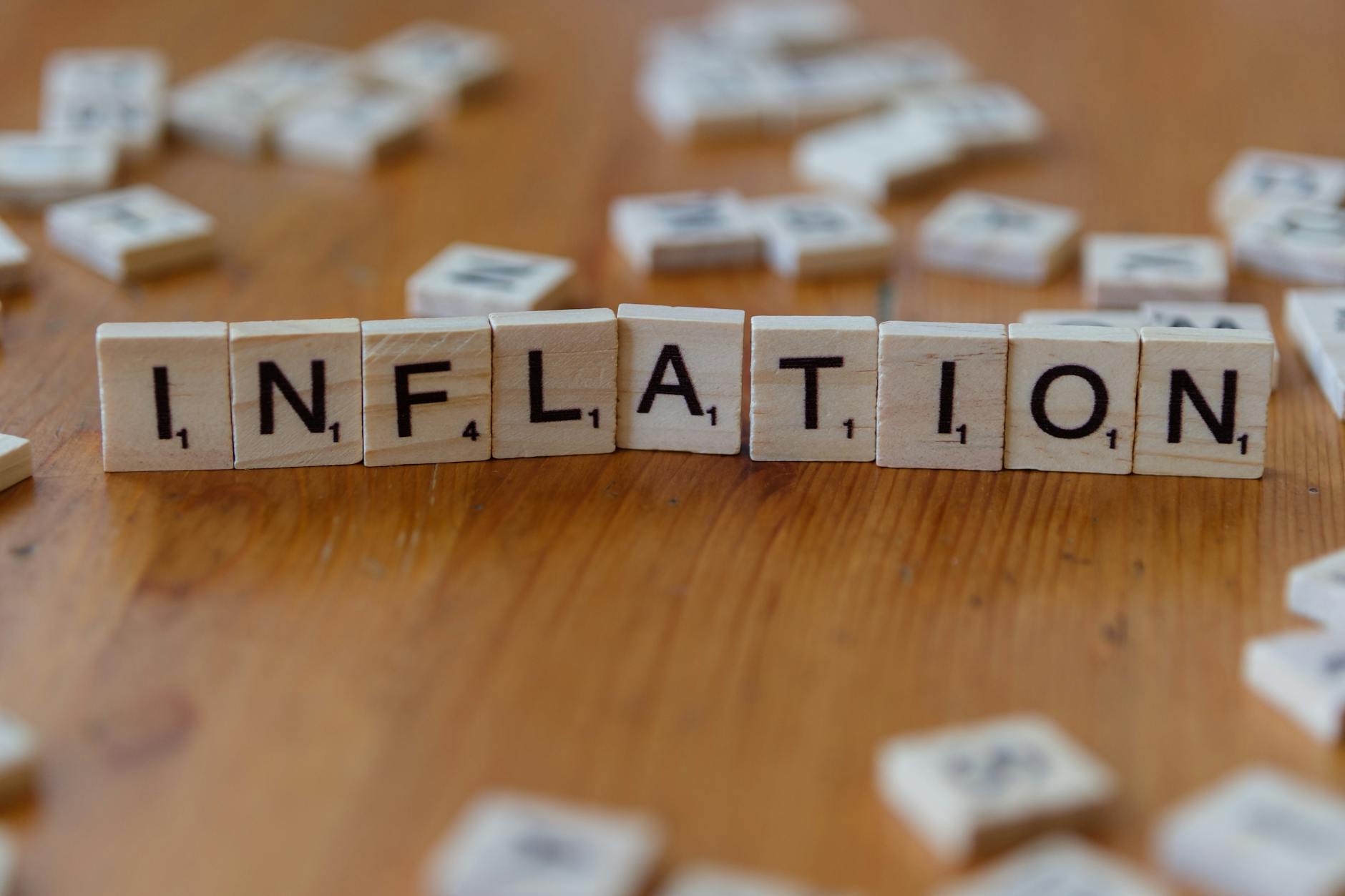
India's economy is facing significant challenges due to escalating geopolitical tensions, particularly concerning oil prices. The ongoing conflict in Ukraine and rising tensions in the Middle East have caused crude oil prices to surge, now reaching approximately $95 per barrel. This rise has directly impacted inflation rates and widened the trade deficit in India.
As of October 2023, inflation in India has climbed to around 7.5 percent. This level is concerning for the Reserve Bank of India (RBI), which aims to keep inflation within a target range of 2 percent to 6 percent. The RBI's monetary policy committee will face tough decisions in the upcoming months as it tries to balance managing inflation with supporting economic growth.
In addition to rising inflation, India's trade deficit has also widened significantly. For September 2023, the trade deficit stood at $26.7 billion, up from $19.3 billion in the same month last year. This increase is largely due to higher oil import bills resulting from the spike in global oil prices. A widening trade deficit poses challenges for the Indian economy, particularly regarding foreign exchange reserves. As the trade deficit increases, there is a risk of depreciation of the Indian rupee, which could further worsen inflationary pressures.
In response to rising inflation and the widening trade deficit, the Indian government is expected to implement several measures aimed at stabilizing the economy. These measures may involve reviewing import duties on crude oil, enhancing domestic oil production, and promoting alternative energy sources to reduce dependency on imports.
The government is likely to accelerate its push towards renewable energy sources, which could help mitigate the impact of rising oil prices in the long term. Initiatives to promote solar, wind, and other renewable energy projects are expected to gain momentum as India seeks to enhance its energy security.
The current geopolitical landscape presents significant challenges for India's economy, with rising oil prices driving inflation and widening the trade deficit. The government's response will be crucial in addressing these issues and ensuring economic stability in the coming months. Based on reports from Google News — Indian Economy.
Impact analysis
BEARISHRising oil prices may lead to increased inflation and affect market stability.
- →Inflation at 7.5 percent could lead to tighter monetary policy.
- →Widening trade deficit may affect currency valuation.
- →Government measures on energy could impact related sectors.
Stocks:RELIANCETCS
Sectors:BFSIIT
Horizon: short term
What to watch next
Monitor future RBI policy decisions and any updates on government measures to stabilize the economy.
Frequently asked
What is the current inflation rate in India?+
India's current inflation rate is approximately 7.5 percent.
How does rising oil prices affect the economy?+
Rising oil prices increase costs for goods and services, leading to higher inflation and a wider trade deficit.
Based on reports from Google News — Indian Economy.
More in Economy
View all →
Impact of US-Iran War on India's Economy and Stability
10h ago

India's Economic Stability at Risk Amid US-Iran Tensions
10h ago
India Faces Economic Challenges Amid Ongoing US-Iran Conflict
10h ago

Impact of US-Iran War on India's Economic Stability
10h ago
India Faces Economic Crisis Amid US-Iran Tensions
10h ago

India Emerges as a Solar Superpower with Skilled Workforce
22h ago