
The Future of SOCs: Data Architecture and AI Transformations
SOCs evolve with AI and data architecture for better security.
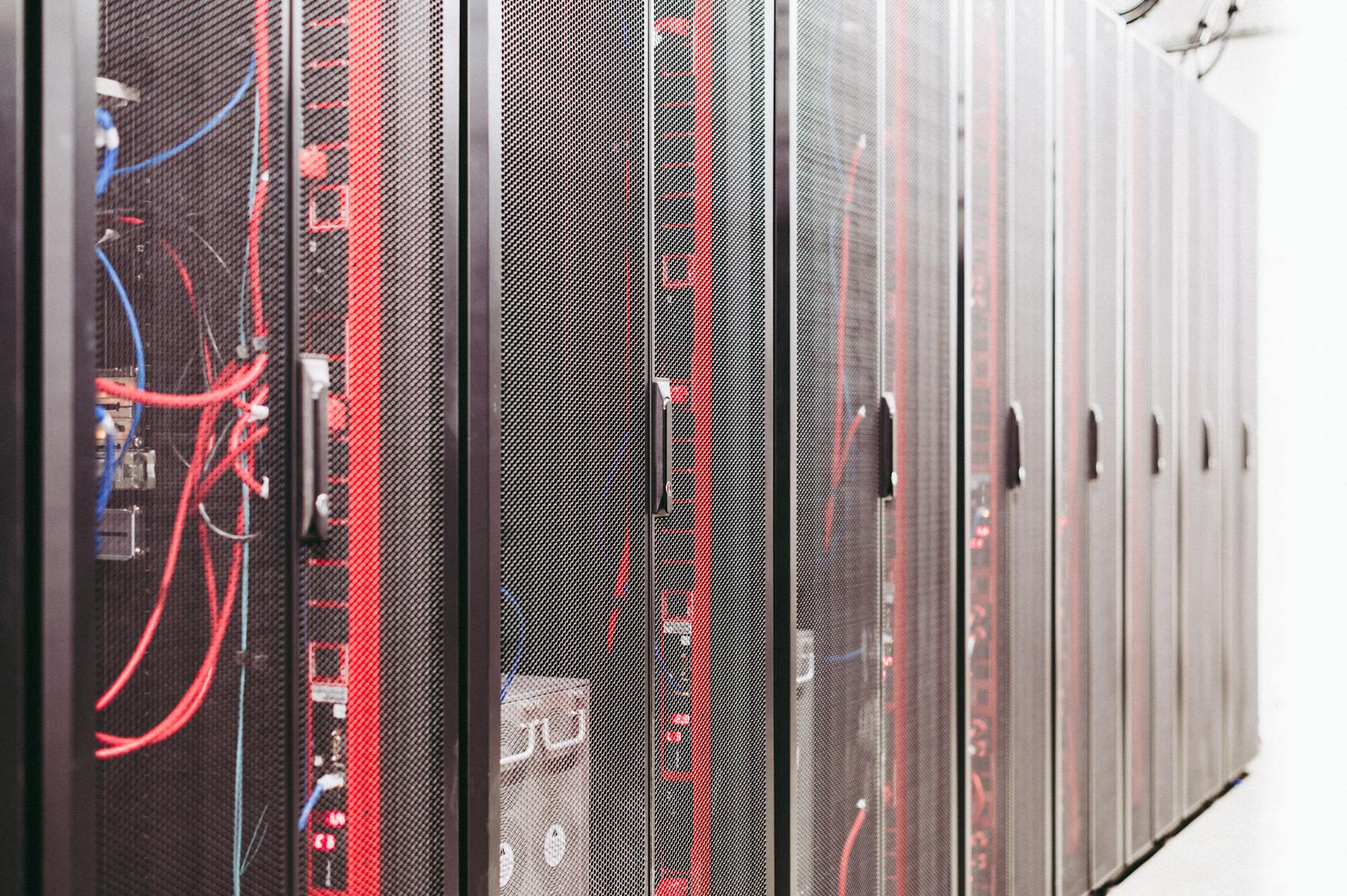
Security Operations Centers (SOCs) are becoming crucial in the fight against increasingly sophisticated cyber threats. Traditionally, SOCs focused on alerting organizations about potential security breaches. However, the future of SOCs lies in a more integrated approach that combines advanced data architecture, specialized artificial intelligence (AI), and autonomous investigation methods.
Data architecture is the backbone of modern SOCs. It involves the design and management of data systems that support security operations. A robust data architecture enables SOCs to efficiently collect, analyze, and respond to security incidents. As big data continues to grow, SOCs must manage vast amounts of information from various sources, including network traffic, user behavior, and threat intelligence feeds. A well-structured data architecture streamlines data collection and ensures that analysts have real-time access to critical information.
Advanced analytics are essential for identifying patterns and anomalies that may indicate security threats. By using machine learning algorithms, SOCs can enhance their detection capabilities. Specialized AI can analyze large datasets to uncover hidden threats that traditional methods might miss.
Specialized AI is becoming indispensable for SOCs. Unlike general-purpose AI, specialized AI addresses specific challenges within cybersecurity. This targeted approach improves the efficiency and effectiveness of threat detection and response. Automation is one of the primary benefits of specialized AI. By continuously monitoring network activity and analyzing user behavior, AI systems can identify potential threats in real-time, easing the workload on human analysts.
Moreover, specialized AI offers predictive capabilities, allowing SOCs to anticipate potential threats before they occur. By analyzing historical data and trends, AI provides insights that help organizations proactively strengthen their security posture. Another significant trend is the shift towards autonomous investigation. This approach allows SOCs to respond to threats without human intervention, thereby increasing response times and reducing the risk of human error.
Autonomous investigation automates the entire incident response process. When a threat is detected, AI can initiate predefined response protocols, such as isolating affected systems or blocking malicious traffic. This swift action minimizes damage and helps maintain business continuity. Furthermore, these systems learn from past incidents, refining strategies and improving future responses. Continuous learning enhances the overall effectiveness of SOC operations.
In conclusion, the future of Security Operations Centers hinges on the integration of advanced data architecture, specialized AI, and autonomous investigation techniques. As cyber threats evolve, SOCs must adapt to stay ahead of potential risks. By embracing these innovations, organizations can significantly enhance their security posture and better protect their assets. Based on reports from Google News — Indian Startups.
Frequently asked
What is the role of AI in SOCs?+
AI enhances threat detection and automates responses, improving security.
How do SOCs manage big data?+
SOCs utilize structured data architecture to efficiently handle and analyze vast amounts of information.
Based on reports from Google News — Indian Startups.
More in Startups
View all →
Evolution of Startup Founders in India: New Trends Emerging
3h ago

India's Evolving Startup Founder Profile in 2023
3h ago

Changing Archetype of Startup Founders in India
3h ago

Changing Landscape of Startup Founders in India
3h ago

Evolving Archetypes of Startup Founders in India
3h ago

EyeROV: AI Underwater Robots for Coral Conservation
4h ago