Fairdeal raises $15M from Bertelsmann India for B2B quick commerce
B2B quick commerce startup Fairdeal has secured $15 million in funding from Bertelsmann India and other investors, signalling strong investor confidence in the fast-growing logistics sector.
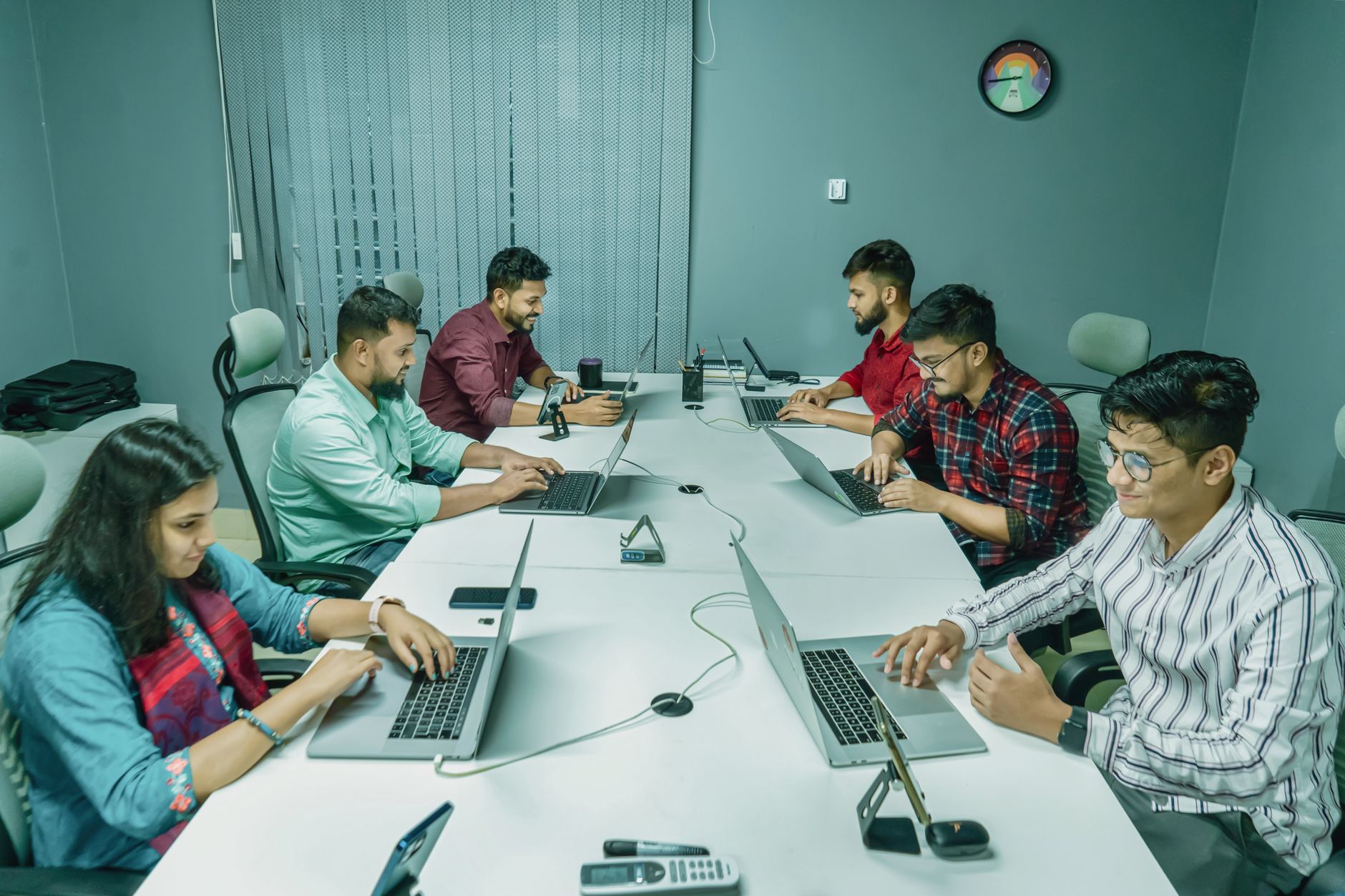
Fairdeal closes $15 million funding round
B2B quick commerce startup Fairdeal has raised $15 million in a fresh funding round led by Bertelsmann India, alongside other investors. The capital injection underscores growing investor appetite for logistics and supply chain solutions in India's e-commerce ecosystem.
The funding comes at a time when quick commerce—the ability to deliver goods within hours rather than days—has emerged as a critical competitive advantage for businesses across sectors. Fairdeal's platform enables small and medium enterprises (SMEs), retailers, and distributors to access rapid fulfillment services, a capability that has become increasingly valuable in India's fast-paced retail landscape.
Strategic backing from Bertelsmann India
Bertelsmann India's investment signals confidence in Fairdeal's business model and market opportunity. Bertelsmann, the German media conglomerate, has been actively investing in emerging technology businesses across India, particularly in sectors aligned with digital transformation and supply chain innovation.
The participation of Bertelsmann India alongside other investors demonstrates the diversity of support for Fairdeal's vision. This multi-investor approach typically indicates robust due diligence and validation from multiple institutional backers, strengthening the startup's credibility in a competitive market.
B2B quick commerce gaining momentum
B2B quick commerce represents one of India's fastest-growing logistics segments. Unlike consumer-focused quick commerce—dominated by players like Blinkit and Zepto—B2B platforms cater to businesses that need rapid, reliable fulfillment for inventory replenishment and supply chain operations.
This segment addresses a critical pain point for Indian retailers and distributors: the lag between placing orders and receiving stock. For small kirana stores, quick service restaurants, and organized retail chains, faster inventory turnover directly impacts cash flow and competitiveness. Fairdeal's platform enables these businesses to reduce working capital requirements and respond faster to consumer demand.
Market opportunity and competitive landscape
The B2B logistics market in India remains fragmented, with most transactions still happening through traditional wholesale channels and unorganized distribution networks. Quick commerce platforms are standardizing this process, offering transparency, reliability, and speed—attributes that command premium valuations in venture capital circles.
Several startups have entered the B2B quick commerce space, recognizing the market's potential. However, execution remains challenging: the segment requires robust warehousing infrastructure, real-time inventory management, and efficient last-mile networks. Fairdeal's ability to secure $15 million suggests it has demonstrated credible execution capabilities or a compelling roadmap that convinced sophisticated investors.
What the funding enables
A $15 million Series A or Series B round typically fuels expansion across multiple dimensions. For Fairdeal, this capital likely supports:
- Geographic expansion: Scaling operations to new cities and regions, building new warehouses and distribution centers
- Technology infrastructure: Enhancing its software platform, logistics algorithms, and real-time tracking capabilities
- Team building: Hiring senior talent in operations, technology, and business development
- Strategic partnerships: Collaborating with suppliers, retailers, and logistics providers to deepen its network
- Working capital: Strengthening balance sheet to support inventory and operational needs
Investor thesis and market context
Investors backing B2B quick commerce startups are betting on several structural trends reshaping Indian retail. First, organized retail's growing share of total consumption is driving demand for efficient supply chains. Second, the digitalization of SME operations—accelerated by COVID-19 and government initiatives—has normalized online ordering among traditional retailers.
Third, rising consumer expectations for product availability and freshness are forcing retailers to optimize inventory. Fourth, inflation and rising working capital costs make faster inventory turnover economically compelling for business owners.
Bertelsmann India's participation suggests international institutional investors see India's logistics sector as a long-term wealth creation opportunity, similar to how logistics consolidated in developed markets over the past decade.
What this means for Fairdeal's trajectory
With $15 million in the bank, Fairdeal is positioned to accelerate its path to scale. The startup will likely invest heavily in underserved markets outside major metros—where supply chain inefficiencies are most acute and competition from established players is lower.
The funding also provides a runway to demonstrate unit economics and path to profitability, critical milestones for future fundraising rounds. B2B logistics companies typically require patient capital and take 5-7 years to reach meaningful scale, so early-stage validation from quality investors like Bertelsmann India is essential.
Success for Fairdeal would mean becoming a backbone service for thousands of Indian retailers, allowing them to operate with leaner inventories and better cash management. At scale, such platforms create valuable network effects—every added seller and buyer makes the platform more efficient and harder for competitors to displace.
Frequently asked
What is B2B quick commerce?+
B2B quick commerce refers to rapid fulfillment and delivery services for businesses—typically retailers, distributors, and small enterprises—enabling them to receive inventory within hours rather than days. Unlike consumer-focused quick commerce, it serves business customers and addresses supply chain efficiency.
Why did Fairdeal raise $15 million?+
The funding supports geographic expansion, technology infrastructure upgrades, team hiring, and working capital needs. It enables Fairdeal to scale operations across new cities, enhance its logistics platform, and establish itself as a key player in India's B2B quick commerce segment.
Who is Bertelsmann India?+
Bertelsmann is a German media and services conglomerate that invests in emerging technology businesses across India, particularly in sectors aligned with digital transformation and supply chain innovation.
How large is the B2B quick commerce market in India?+
While exact market size varies by estimate, the B2B logistics segment is growing rapidly as organized retail expands and SMEs digitalize operations. India's fragmented wholesale and distribution networks present significant opportunities for standardized quick commerce platforms.
What makes B2B quick commerce attractive to investors?+
Investors see structural tailwinds: rising organized retail penetration, SME digitalization, consumer demand for product availability, and economic pressure on retailers to optimize working capital. These factors create long-term demand for efficient logistics solutions.
Based on reports from Google News — Indian Startups.
More in Startups
View all →
India's Space Startup Ecosystem Surpasses 450 Ventures

India's Space Startup Ecosystem Surpasses 450 Ventures

India's Space Startup Ecosystem Surpasses 450 Ventures

India's Space Startup Ecosystem Expands Beyond 450 Ventures

India's Space Startup Ecosystem Surpasses 450 Ventures