
Extreme Heat Costs India 2 Percent of GDP Annually, Urgent Action Needed
Extreme heat significantly impacts agriculture, health, and productivity in India.
BEARISH· HIGH
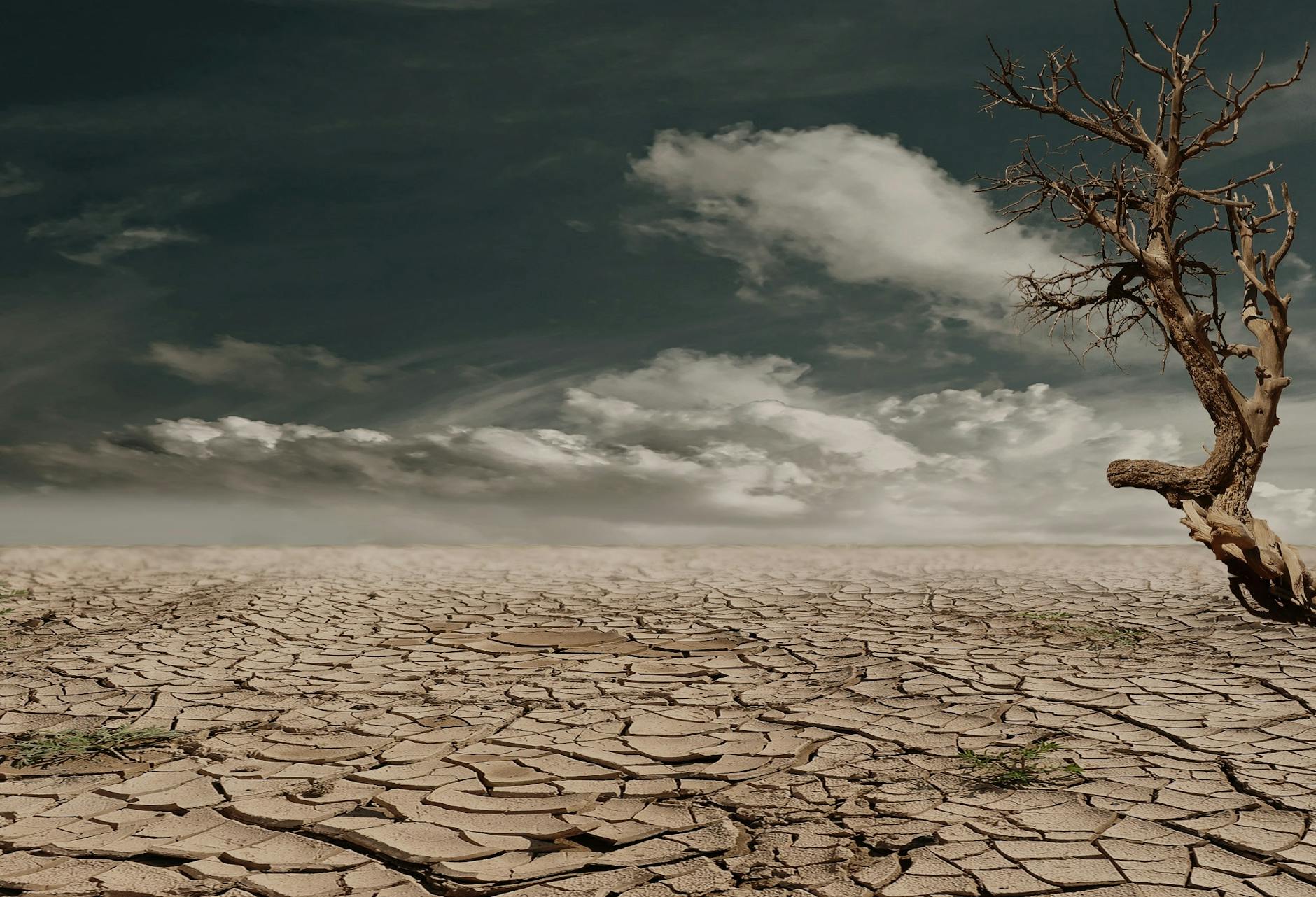
India's economy faces a daunting challenge from extreme heat, costing approximately 2 percent of GDP each year. This figure underscores the pressing need for effective strategies to tackle the adverse effects of rising temperatures. The economic toll spans various sectors, particularly agriculture, health, and workforce productivity. Recent studies indicate that agriculture is highly susceptible, with extreme heat adversely affecting crop yields and livestock health. This situation threatens food security and the livelihoods of millions of farmers across the country.
In states like Punjab and Haryana, farmers have reported sharp declines in crop production due to prolonged heat waves. For instance, wheat yields have fallen by as much as 20 percent in some areas during peak summer months. Such declines not only lead to increased food prices but also strain household budgets, exacerbating economic hardship for many.
Health risks associated with extreme heat are also alarming. Heat-related illnesses, including heatstroke and dehydration, are on the rise, adding pressure to an already burdened healthcare system. Vulnerable groups, such as the elderly and those with pre-existing health issues, face the highest risks. The economic burden of healthcare due to heat exposure is estimated to be in the thousands of crores annually.
Moreover, extreme heat negatively impacts workforce productivity. Studies reveal that high temperatures can reduce labor productivity by up to 10 percent in outdoor jobs. This decline affects individual earnings and has broader implications for overall economic output, particularly in sectors like construction and agriculture that depend heavily on outdoor labor.
As extreme heat events become more frequent, the long-term economic consequences could be severe. The cumulative effects of reduced agricultural output, rising healthcare costs, and lower workforce productivity threaten to undermine India's economic growth. The World Bank has cautioned that without significant intervention, these trends could lead to a loss of billions of rupees in GDP over the next few decades.
To address the economic repercussions of extreme heat, India must implement comprehensive strategies focused on mitigation and adaptation. This includes investing in climate-resilient agricultural practices, enhancing healthcare infrastructure, and adopting policies to protect vulnerable populations.
Innovations in agricultural technology, such as drought-resistant crops and efficient irrigation systems, can help farmers adapt to changing climate conditions. Government initiatives providing financial support and training for farmers can also enhance resilience.
Strengthening healthcare infrastructure to combat heat-related illnesses is essential. This includes improving healthcare services in rural areas and raising public awareness about the dangers of extreme heat.
In conclusion, the economic impact of extreme heat on India is significant, costing the nation about 2 percent of its GDP annually. Tackling this issue requires a multi-faceted approach that combines innovative agricultural practices, healthcare improvements, and targeted policies to protect the most vulnerable. As climate change escalates, the urgency for action has never been more critical. Based on reports from Google News — Indian Economy.
Impact analysis
BEARISHThe economic impact of extreme heat could lead to market volatility. Investors should monitor sectors like agriculture and healthcare closely.
- →Increased food prices may affect inflation rates.
- →Healthcare sector may see rising demand and costs.
- →Agricultural productivity declines could impact related industries.
Stocks:RELIANCETCS
Sectors:AgricultureHealthcareConstruction
Horizon: long term
What to watch next
Monitor upcoming government policies aimed at climate adaptation and agricultural support.
Frequently asked
What are the economic effects of extreme heat in India?+
Extreme heat impacts agriculture, healthcare costs, and workforce productivity, costing around 2 percent of GDP.
How can India mitigate the effects of extreme heat?+
India can adopt climate-resilient agricultural practices, improve healthcare infrastructure, and implement protective policies for vulnerable populations.
Based on reports from Google News — Indian Economy.
More in Economy
View all →
Impact of US-Iran War on India's Economy and Stability
10h ago

India's Economic Stability at Risk Amid US-Iran Tensions
10h ago
India Faces Economic Challenges Amid Ongoing US-Iran Conflict
10h ago

Impact of US-Iran War on India's Economic Stability
10h ago
India Faces Economic Crisis Amid US-Iran Tensions
10h ago

India Emerges as a Solar Superpower with Skilled Workforce
22h ago