
Economic Survey Highlights India's Strong Growth Trajectory
Home Minister Amit Shah emphasizes India's robust economic performance, signaling continued momentum ahead for Asia's third-largest economy.
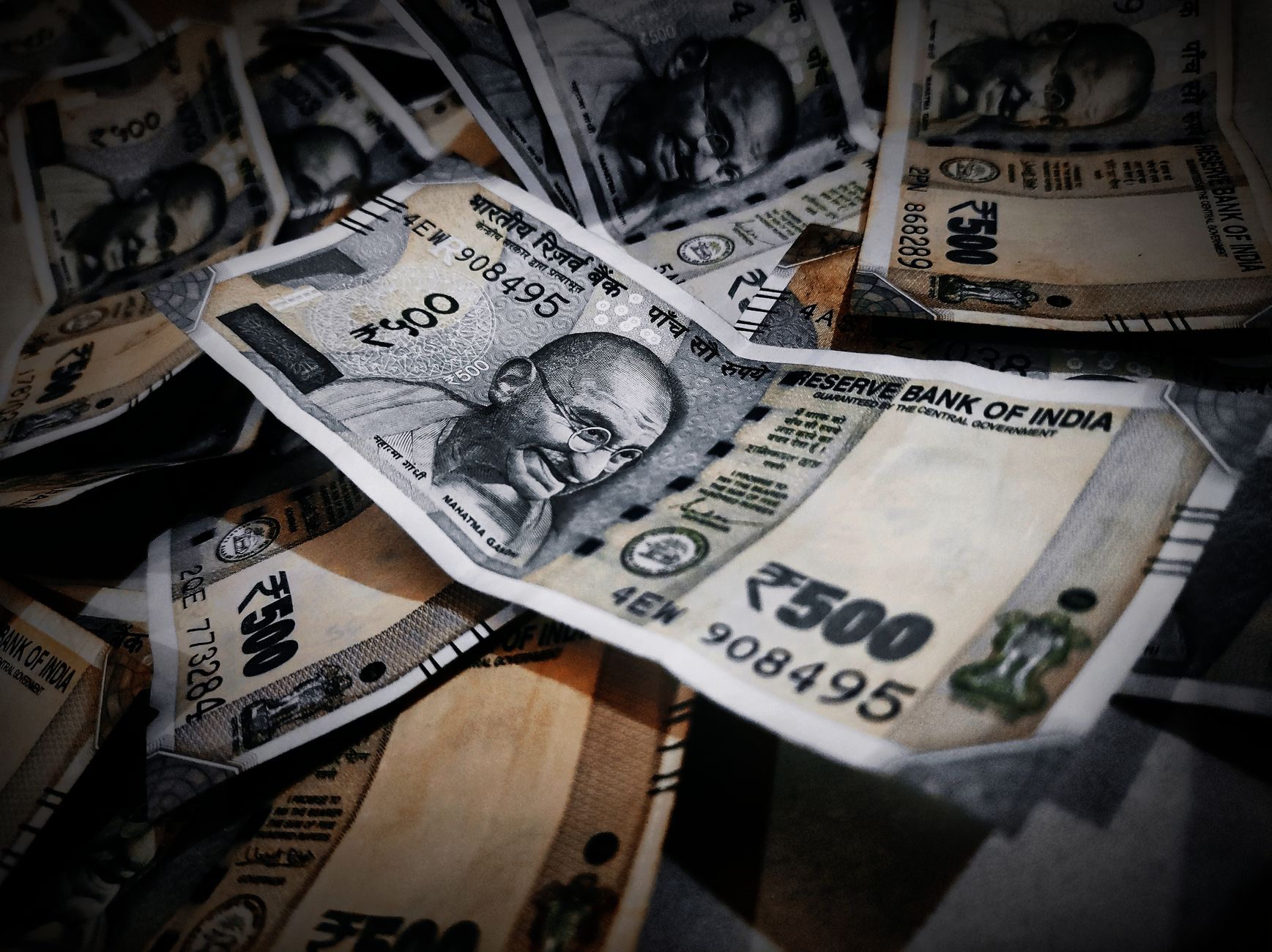
India's Economic Strength on Full Display
Home Minister Amit Shah has underscored the resilience and strength of India's economy, citing findings from the latest Economic Survey. His remarks come at a time when global economic headwinds persist, positioning India as one of the fastest-growing major economies in the world.
The Economic Survey, a comprehensive annual document prepared by the Ministry of Finance, serves as a crucial barometer of economic health and policy direction. Shah's comments reflect the government's confidence in the trajectory of economic growth, employment creation, and structural reforms that have been implemented across various sectors.
Key Economic Indicators and Performance
India's economy has demonstrated considerable strength across multiple dimensions. The survey typically covers sectors ranging from agriculture and manufacturing to services and digital infrastructure—the backbone of India's economic expansion.
Recent economic data has highlighted several positive trends. The country has maintained its position as one of the world's fastest-growing large economies, with robust domestic consumption driving growth. Investment in infrastructure, particularly through initiatives like the National Infrastructure Pipeline, has bolstered productive capacity across the nation.
The government's focus on Make in India, Digital India, and Atmanirbhar Bharat (self-reliant India) has contributed to structural improvements in the economy. These initiatives have encouraged manufacturing growth, reduced import dependency, and created pathways for entrepreneurship and employment generation.
Employment and Labour Market Dynamics
One of the critical areas highlighted in economic assessments is employment creation. The Economic Survey typically provides data on job generation across formal and informal sectors, highlighting the government's policies aimed at skill development and workforce expansion.
Initiatives such as the Pradhan Mantri Kaushal Vikas Yojana (PMKVY) and the National Apprenticeship Promotion Scheme have contributed to human capital development. These programmes align with India's demographic advantage—a large, young, and increasingly skilled workforce capable of driving productivity and innovation.
Sectoral Growth and Structural Reforms
Manufacturing and Industrial Output
India's manufacturing sector has shown promise, supported by government incentives and production-linked schemes. The PLI (Production-Linked Incentive) scheme has attracted domestic and foreign investment in strategic sectors including electronics, pharmaceuticals, and automobiles.
Agricultural and Rural Economy
Agriculture remains central to India's economy, employing millions and contributing significantly to exports. Government policies have focused on improving agricultural productivity, irrigation, and farmer income through programmes such as the Pradhan Mantri Fasal Bima Yojana and enhanced minimum support prices.
Digital Economy and Innovation
India's digital economy has expanded rapidly, driven by increasing smartphone penetration, affordable data, and government push toward digitalization. UPI (Unified Payments Interface) has revolutionized digital payments, making India a global leader in fintech innovation. This digital transformation has implications across banking, retail, and governance.
Fiscal and Monetary Policy Framework
The Economic Survey provides guidance on fiscal policy priorities and budgetary allocations for the upcoming financial year. Government expenditure on infrastructure, education, healthcare, and social security programmes reflects the administration's commitment to inclusive growth.
The Reserve Bank of India's monetary policy stance, coordinated with fiscal measures, has aimed at maintaining price stability while supporting growth. Control of inflation remains crucial, as elevated prices can erode purchasing power and impact economic sentiment, particularly among lower-income households.
Foreign exchange reserves have remained robust, providing a buffer against external economic shocks. This financial cushion reflects investor confidence in the Indian economy and supports the stability of the Indian rupee against global currency fluctuations.
Global Context and Outlook
India's economic strength gains significance against the backdrop of global economic uncertainty. While advanced economies have grappled with slower growth, inflation pressures, and policy tightening, India has maintained comparatively stronger growth momentum.
The survey likely addresses India's trade position, foreign direct investment inflows, and integration with global supply chains. Despite protectionist tendencies in some regions, India has attracted significant FDI into sectors including technology, renewable energy, and manufacturing.
Government initiatives to strengthen trade infrastructure—including ports, airports, and logistics networks—continue to enhance India's competitiveness in global commerce.
Path Forward
Shah's emphasis on economic strength reflects broader policy objectives centered on sustained growth, job creation, and improved living standards. The Economic Survey serves not only as an assessment of past performance but as a roadmap for future policy interventions.
Challenges remain, including managing inflation, maintaining fiscal sustainability, and ensuring that growth benefits are broadly distributed across regions and income groups. However, India's demographic dividend, policy reforms, and institutional capacity position the country well for continued economic expansion in the medium to long term.
Frequently asked
What is the Economic Survey and why is it important?+
The Economic Survey is an annual document prepared by the Ministry of Finance that provides a comprehensive assessment of India's economic performance, trends, and policy direction. It serves as a guide for budget allocations and future economic policies.
What are India's main growth drivers according to recent surveys?+
India's growth is driven by domestic consumption, government investment in infrastructure, manufacturing expansion through schemes like PLI, digital economy growth, agricultural improvements, and strong foreign direct investment inflows.
How does India's economic growth compare globally?+
India is among the world's fastest-growing large economies, consistently outpacing many advanced economies despite global economic headwinds and inflation pressures.
What major government initiatives support India's economy?+
Key initiatives include Make in India, Digital India, Atmanirbhar Bharat, PLI schemes, Pradhan Mantri Kaushal Vikas Yojana, and various infrastructure development programmes aimed at growth and employment generation.
What challenges does the Indian economy face?+
Key challenges include managing inflation, maintaining fiscal sustainability, ensuring inclusive growth across all regions, and balancing external economic shocks while sustaining domestic growth momentum.
Based on reports from Google News — Indian Economy.
More in Economy
View all →
Impact of US-Iran War on India's Economy and Stability

India's Economic Stability at Risk Amid US-Iran Tensions
India Faces Economic Challenges Amid Ongoing US-Iran Conflict

Impact of US-Iran War on India's Economic Stability
India Faces Economic Crisis Amid US-Iran Tensions
