
Japan's Development Bank & HDFC Capital Partner for Indian Housing
Development Bank of Japan partners with HDFC Capital to deploy capital across residential real estate projects in India, signalling renewed foreign institutional interest in the country's housing sector.
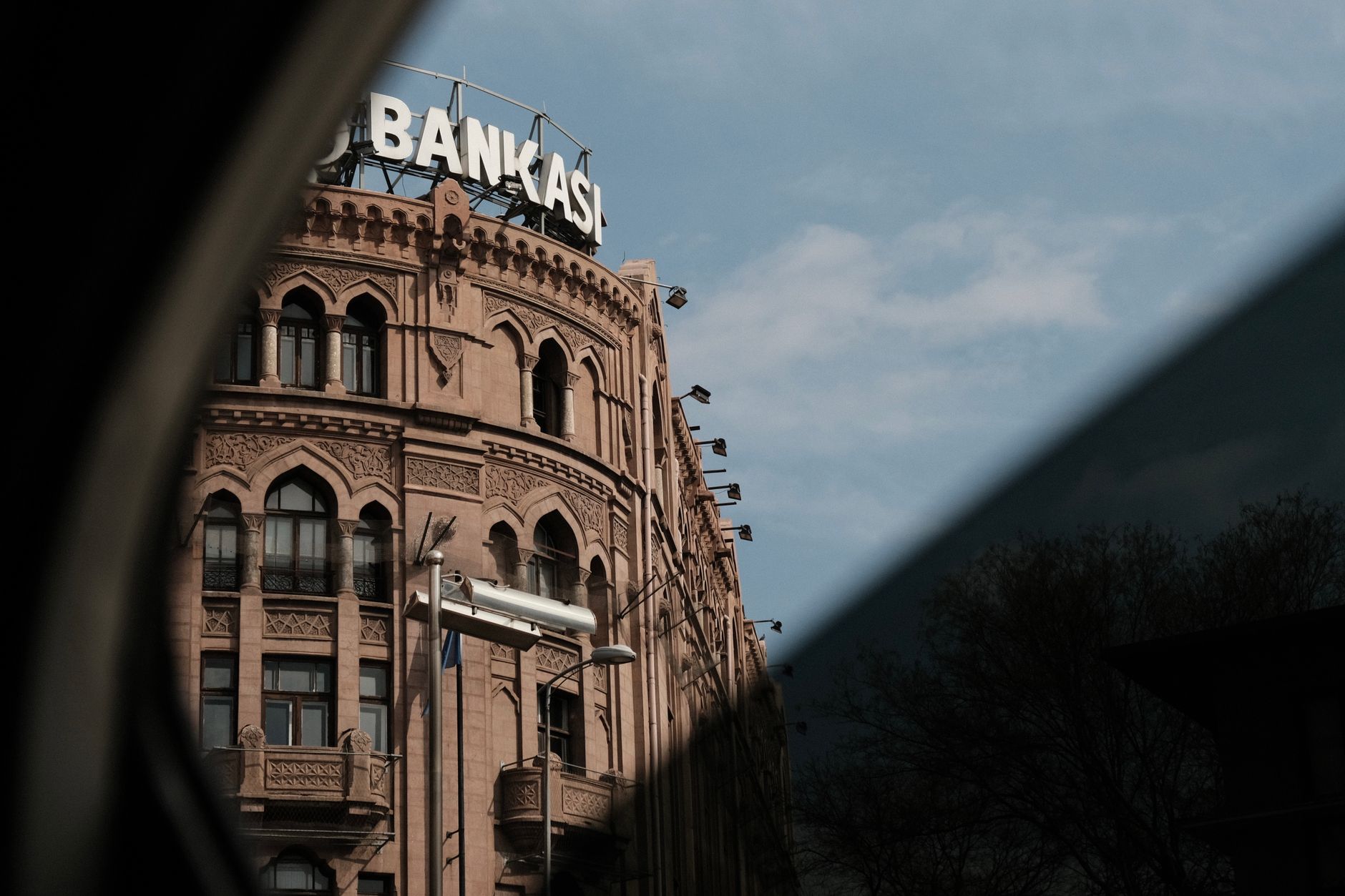
Japan's Development Bank Enters Indian Housing Market
Development Bank of Japan (DBJ) has joined forces with HDFC Capital to finance housing projects across India, marking a significant vote of confidence in the country's residential real estate sector. The partnership underscores the growing appetite among international financial institutions to participate in India's long-term infrastructure and real estate development story.
HDFC Capital, the alternative asset management arm of HDFC Bank, brings deep expertise in identifying and structuring real estate opportunities. The collaboration combines DBJ's long-term capital availability with HDFC Capital's on-ground knowledge of India's housing market, creating a platform to address the persistent shortage of affordable and mid-income residential stock across the country.
Strategic Rationale Behind the Partnership
Bridging the Housing Deficit
India faces an estimated deficit of several crore housing units, particularly in the affordable and mid-income segments. This partnership is positioned to help close that gap by channelling foreign capital into projects that cater to first-time homebuyers and middle-class families. The initiative aligns with India's long-term urbanisation trends and rising household incomes across metros and tier-II cities.
HDFC Capital's Track Record
HDFC Capital manages multiple funds focused on real estate and infrastructure across India. Its portfolio spans commercial office spaces, residential complexes, logistics parks, and data centres. By partnering with DBJ, HDFC Capital gains access to patient capital specifically earmarked for the housing sector, enabling larger and longer-tenure investments.
DBJ's Role in Asian Infrastructure
Development Bank of Japan is Japan's premier development finance institution, established to support economic and social development in Japan and abroad. The bank has a strong track record of co-investing in emerging Asian markets, particularly in infrastructure and real estate projects with long-term returns and development impact. Its entry into Indian housing reflects confidence in the country's macroeconomic fundamentals and demographic tailwinds.
Why This Matters for India's Real Estate Sector
Foreign Direct Investment in Housing
Foreign institutional investment in residential real estate has historically been limited in India due to regulatory constraints and market maturity concerns. This partnership between a sovereign development bank and a domestic asset manager represents a structured approach to overcome such barriers. It signals to other global institutions that India's housing market offers viable risk-adjusted returns.
Countercyclical Capital Availability
Development finance institutions like DBJ typically operate on longer investment horizons than private equity or venture capital firms. This long-term perspective allows the partnership to maintain investment discipline across market cycles—crucial for real estate, which experiences cyclical demand and supply dynamics.
Impact on Housing Supply and Affordability
When foreign capital flows into India's housing sector, it reduces reliance on domestic bank lending for large-scale projects. This can free up credit for other productive uses in the economy. Additionally, increased project financing capacity may encourage developers to undertake larger complexes with better amenities and cost efficiencies, potentially moderating price escalation in select markets.
Sector Momentum and Market Context
India's residential real estate market has shown renewed dynamism over the past two to three years. Post-pandemic urbanisation, remote work flexibility, and pent-up housing demand have driven sales and launches in major metropolitan areas and emerging cities. Construction costs have stabilised after inflationary pressures, and regulatory clarity around Real Estate (Regulation) Development and Management Act (RERA) has improved buyer confidence.
Institutional investors and asset managers now view Indian residential real estate as a defensive, inflation-hedging asset class with strong demographic support. The DBJ-HDFC Capital partnership comes at a time when this sentiment is translating into concrete capital allocation.
What Lies Ahead
The partnership is expected to identify and co-invest in housing projects across India's key metros—Mumbai, Delhi-NCR, Bangalore, Hyderabad, and Pune—as well as emerging tier-II and tier-III cities with strong migration patterns. Project selection will likely focus on developers with established track records, regulatory compliance, and projects at advanced stages of construction or planning.
This collaboration may also serve as a template for other international development banks considering Indian real estate exposure. If successful, it could catalyse a broader flow of patient, long-term capital into the sector, benefiting both developers and homebuyers through improved financing options and project quality.
The partnership demonstrates that India's housing market—while still evolving—has matured sufficiently to attract sophisticated international capital. For HDFC Capital, it validates its fund management capabilities and provides a avenue for larger, ticket-size investments. For Development Bank of Japan, it represents a credible entry point into India's fastest-growing urban real estate segment.
Frequently asked
What is the Development Bank of Japan?+
Development Bank of Japan (DBJ) is Japan's premier development finance institution, established to support economic and social development in Japan and across Asia. It provides long-term capital and financing for infrastructure and real estate projects.
Why is foreign investment in Indian housing significant?+
Foreign institutional investment in Indian housing is limited by regulatory and structural factors. This partnership signals to global investors that India's residential real estate market offers viable risk-adjusted returns, potentially attracting more international capital into the sector.
Which cities will this partnership focus on?+
While the partnership hasn't specified exact cities, projects are expected to be identified across major metros—Mumbai, Delhi-NCR, Bangalore, Hyderabad, and Pune—and emerging tier-II and tier-III cities with strong migration patterns.
How does long-term capital benefit housing projects?+
Development banks like DBJ operate on longer investment horizons than private equity firms, allowing them to maintain investment discipline across market cycles. This enables larger, phased projects with better amenities and potentially more affordable pricing.
What does HDFC Capital bring to this partnership?+
HDFC Capital brings deep expertise in identifying and structuring real estate investments, on-ground knowledge of India's housing market, and a track record managing multiple real estate and infrastructure funds across the country.
Based on reports from Google News — Banking India.
More in Banking
View all →
IndusInd Bank Reports Increased Quarterly Profit Amid Lower Provisions

IndusInd Bank Reports Increase in Quarterly Profit
IndusInd Bank Reports Increased Profit Amid Lower Provisions

IndusInd Bank Reports Increased Quarterly Profit Amid Lower Provisions

IndusInd Bank Reports Increased Quarterly Profit Amid Lower Provisions
