
Corruption in Indian Banking: What 'Great Indian Illusion' Reveals
A new investigation exposes systemic corruption within India's banking sector, challenging the narrative of institutional strength and financial stability that regulators have long promoted.
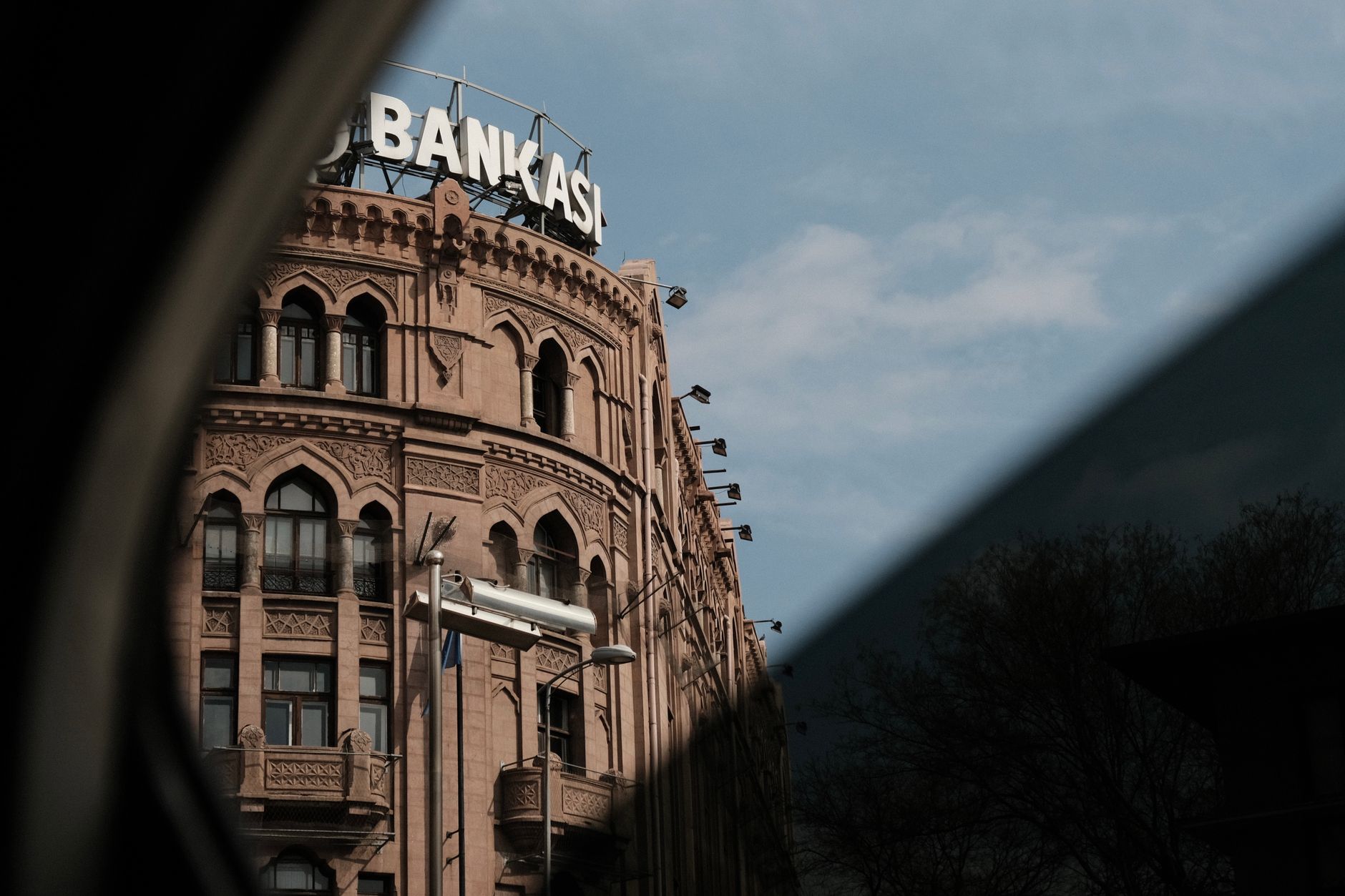
The Facade of Indian Banking
India's banking system has long been presented as a pillar of economic growth and institutional credibility. Yet a recent documentary investigation titled 'The Great Indian Illusion' pulls back the curtain to reveal a troubling reality: deep-rooted corruption that undermines the very foundation of banking integrity in the country.
The documentary, released through TheWire.in, compiles substantial evidence of corrupt practices within the Indian banking sector. Rather than presenting isolated incidents, the investigation demonstrates systemic vulnerabilities that have allowed corruption to flourish at multiple levels—from loan approvals to asset management and regulatory oversight.
How Corruption Manifests in Indian Banks
Loan Disbursement Irregularities
One of the primary areas where corruption surfaces is in the loan approval and disbursement process. The investigation documents cases where loans were sanctioned to borrowers with questionable credentials or insufficient collateral, often facilitated by banking officials who received kickbacks or personal favours in return. These practices inflate non-performing assets (NPAs) and artificially worsen the balance sheets of public sector banks.
Asset Valuation and Seizure
When banks seize collateral from defaulting borrowers, the valuation and subsequent sale of these assets often becomes another avenue for corruption. Documentation provided in the investigation suggests that assets are either undervalued to benefit connected parties or overvalued to justify inflated loan amounts. This distorts the recovery process and shifts losses onto ordinary depositors.
Regulatory Gaps and Oversight Failures
The investigation highlights how regulatory agencies tasked with supervising banks have failed to act decisively against corrupt officials. In some cases, warnings from internal audit teams or whistleblowers were ignored, allowing corrupt practices to continue unchecked. The Reserve Bank of India's inspection reports, which often document irregularities, rarely result in criminal prosecution of guilty officials.
The Impact on Ordinary Indians
Corruption in banking has far-reaching consequences that extend beyond the banking sector itself. When depositors' money is siphoned off through corrupt loan approvals or misaligned asset sales, it erodes public confidence in financial institutions. For small businesses and farmers who depend on bank credit, corrupt practices mean fewer legitimate lending opportunities and higher effective interest rates as banks attempt to recover losses.
The 'Great Indian Illusion' demonstrates how this corruption has contributed to India's rising NPA crisis. As of recent reports, Indian banks hold hundreds of thousands of crores in non-performing loans—some of which stem from loans given to well-connected defaulters who faced no enforcement action while ordinary borrowers faced strict recovery measures.
Evidence and Documentation
The investigation compiles receipts, bank records, and testimonies from former banking officials that substantiate claims of systemic corruption. Rather than relying on hearsay, the documentary presents documentary evidence that shows how kickback arrangements operated, which officials were involved, and how regulatory safeguards were circumvented.
One notable aspect of the investigation is how it traces the money trail—showing where diverted funds ended up and who benefited. This level of financial forensics exposes not just individual corrupt acts but networks of corruption that span multiple banks and often involve real estate developers, industrial houses, and government-connected entities.
What Needs to Change
Strengthening Internal Controls
Banks must implement more robust checks on loan approvals, particularly for large amounts or connected borrowers. Rotation of officials in critical positions and real-time audit trails can reduce opportunities for corruption.
Faster Criminal Prosecution
When RBI inspections identify corrupt practices, these findings must trigger immediate criminal investigations. The current system, where regulatory action is divorced from law enforcement, allows corrupt officials to retire with their gains intact.
Whistleblower Protection
Banking insiders who report corruption often face career consequences. Strengthening whistleblower protections—both legal and financial—would encourage more internal reporting before corrupt practices scale up.
Public Accountability
Banks should publish anonymised summaries of internal investigations into corruption, allowing the public to understand the scale of the problem. Transparency creates political pressure for genuine reform.
The Broader Implication
The 'Great Indian Illusion' documentary serves as a wake-up call for policymakers, banking regulators, and citizens. It challenges the comfortable narrative that Indian banking is primarily a story of expansion, technological progress, and financial inclusion. While these things have occurred, they have happened alongside systematic corruption that has extracted billions from the system.
For investors, depositors, and borrowers, this investigation underscores the importance of remaining vigilant about banking sector health. The stability of India's financial system depends not just on regulatory safeguards on paper, but on their genuine implementation and the prosecution of those who violate them.
Until corruption in banking is treated with the seriousness it deserves—matching the consequences faced by corrupt officials in other sectors—the Indian banking system will continue to bleed capital and credibility, ultimately harming the broader economy that depends on its trustworthiness.
Frequently asked
What is 'The Great Indian Illusion' documentary about?+
It is an investigation by TheWire.in that exposes systemic corruption in India's banking sector, documenting cases of fraudulent loan approvals, asset misvaluation, and regulatory failures affecting billions of rupees.
How does banking corruption affect ordinary Indians?+
When bank officials divert money through corrupt practices, it increases banks' non-performing assets (NPAs), erodes public confidence in financial institutions, reduces legitimate lending opportunities, and ultimately affects credit availability for small businesses and farmers.
Why haven't corrupt banking officials been prosecuted?+
The investigation highlights a disconnect between regulatory action (conducted by RBI) and criminal prosecution. When inspections identify corruption, findings often don't trigger criminal cases, allowing guilty officials to retire unpunished.
What role does the RBI play in preventing banking corruption?+
The RBI conducts inspections and identifies irregularities in banks, but the documentary suggests these findings are not consistently followed up with criminal investigations or enforcement action against guilty officials.
What reforms could reduce corruption in Indian banking?+
Key measures include stronger internal controls on loan approvals, faster criminal prosecution of corrupt officials, better whistleblower protections, official rotation in sensitive roles, and public accountability through transparency in investigations.
Based on reports from Google News — Banking India.
More in Banking
View all →
IndusInd Bank Reports Increased Quarterly Profit Amid Lower Provisions

IndusInd Bank Reports Increase in Quarterly Profit
IndusInd Bank Reports Increased Profit Amid Lower Provisions

IndusInd Bank Reports Increased Quarterly Profit Amid Lower Provisions

IndusInd Bank Reports Increased Quarterly Profit Amid Lower Provisions
