Air India Express Offers 5 Million Seats at 50% Discount
Budget carrier launches mega sale covering domestic and international routes amid intensifying aviation competition
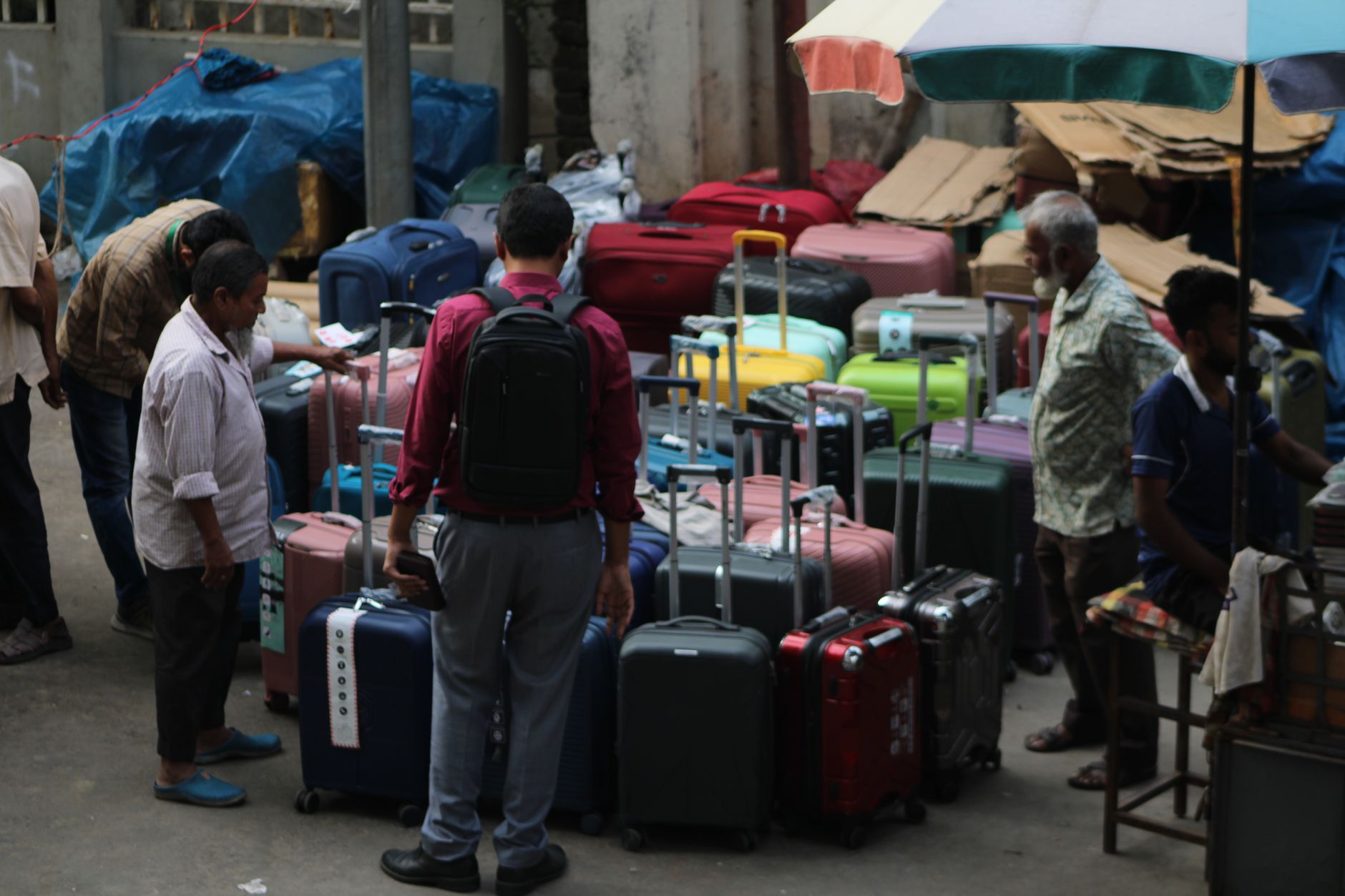
Air India Express Launches Aggressive Pricing Campaign
Air India Express has rolled out one of India's largest airline promotional campaigns, offering 5 million seats with discounts reaching 50%. The low-cost subsidiary of Air India is targeting budget-conscious travellers across both domestic and international routes during a period of heightened competition in the Indian aviation sector.
The timing of this mega sale is strategic. India's aviation market is witnessing robust recovery post-pandemic, with passenger traffic surging and multiple carriers competing aggressively for market share. By releasing such a large inventory at discounted prices, Air India Express is positioning itself to capture volume during traditionally softer demand periods while building customer loyalty.
Wide Route Coverage Spanning Key Markets
The promotion covers Air India Express's entire network, which includes major Indian metros like Delhi, Mumbai, Bangalore, Chennai, Hyderabad, and Kolkata. International destinations in the Middle East—Dubai, Abu Dhabi, Doha—and Southeast Asian cities like Bangkok are also part of the discounted inventory.
This geographic spread is significant. The Middle East routes cater to India's large expatriate workforce and visiting friends and relatives (VFR) traffic, which represents a price-sensitive segment. Southeast Asian routes tap into growing leisure travel demand from India's expanding middle class.
The 5 million seat inventory suggests this is not a short-term flash sale but an extended promotional window. This gives customers adequate time to plan travel, compare options, and book during the promotional period. Early bookings typically secure the deepest discounts, as airlines use dynamic pricing algorithms that adjust fares based on seat availability and demand patterns.
Competitive Dynamics in India's Budget Aviation Sector
The Indian low-cost carrier segment is dominated by IndiGo, which commands nearly 60% market share, followed by SpiceJet, GoAir (now GoFirst), and Air India Express. Competition is fierce, with airlines constantly deploying promotional fares to maintain load factors above 80-85%, which is critical for profitability in the budget segment.
Air India Express, fully integrated under the Tata Group following Air India's privatization in 2022, has been expanding its fleet and route network. The airline operates a simplified fleet of Boeing 737 aircraft, which helps control maintenance and training costs—a key advantage in the low-cost model.
This mega sale serves multiple strategic objectives. First, it helps fill seats during periods when corporate travel is lower and leisure demand needs stimulation. Second, it introduces new customers to the Air India Express brand, potentially converting them into repeat passengers. Third, it sends a competitive signal to rivals that the airline is committed to aggressive market positioning.
Margin Impact and Yield Management
While 50% discounts sound dramatic, the actual revenue impact depends on the base fares and routes involved. Airlines typically offer maximum discounts on select inventory during off-peak travel dates or on routes with excess capacity. Premium travel dates, festivals, and high-demand sectors see smaller discounts or exclusions.
Budget carriers operate on thin margins, typically in the 5-8% range during normal conditions. Deep discounting can compress margins in the short term, but airlines justify this through higher load factors and ancillary revenue from baggage fees, seat selection charges, and in-flight purchases. The goal is to cover variable costs per flight while using promotional fares to fill incremental seats that would otherwise fly empty.
For Air India Express, backed by the Tata Group's financial strength, temporary margin pressure from this promotion is manageable. The airline is playing a long game—building market share and brand visibility in a sector expected to grow 8-10% annually over the next decade as India's per capita income rises and air travel becomes more accessible to tier-2 and tier-3 city residents.
Booking Process and Customer Considerations
Customers can book through Air India Express's website, mobile app, or authorized travel agents. The first-come, first-served nature of such promotions means that popular routes and convenient travel dates get snapped up quickly. Travelers should read terms and conditions carefully, as promotional fares often come with restrictions on cancellations, date changes, and refunds.
Blackout dates typically apply during peak seasons like Diwali, Christmas, summer holidays, and long weekends when demand is naturally high. The deepest 50% discounts are likely available on specific routes with lower demand or during weekday travel when business traffic is lighter.
Broader Market Implications
This promotion reflects India's aviation sector maturity. The country is now the third-largest domestic aviation market globally, with over 150 million domestic passengers annually. International traffic from India is also growing rapidly, driven by tourism, business travel, and the large Indian diaspora.
For investors tracking the aviation sector, such mega sales indicate competitive intensity but also underlying demand strength. Airlines wouldn't release 5 million discounted seats unless they were confident of absorption. The promotion signals that Air India Express expects sustained travel demand in coming months.
However, aggressive discounting across the sector can pressure profitability. If multiple carriers simultaneously run deep discount campaigns, it can trigger a price war that erodes yields across the industry. Fuel costs, which represent 35-40% of airline operating expenses, add another layer of margin pressure. With crude oil prices volatile, airlines must balance promotional pricing with fuel cost management.
The Indian government's regional connectivity scheme (UDAN) and infrastructure investments in airport expansion support long-term aviation growth. Air India Express's mega sale taps into this structural growth story while navigating near-term competitive challenges.
Based on reports from Google News — Finance India.
Impact analysis
MIXEDThe mega discount sale highlights competitive intensity in India's aviation sector, potentially pressuring near-term yields across budget carriers. However, it also signals strong underlying travel demand and Air India Express's aggressive market share ambitions under Tata ownership.
- →Competitive pressure may compress margins for budget airlines in near term as promotional pricing becomes necessary to maintain load factors
- →Strong demand absorption of 5 million discounted seats would validate India's aviation growth trajectory and consumer spending resilience
- →Air India Express's aggressive positioning under Tata Group signals long-term commitment to challenging IndiGo's market dominance
What to watch next
Monitor Air India Express's quarterly load factors and yield metrics to assess whether the promotional strategy successfully builds market share without excessive margin erosion. Also watch for retaliatory promotional campaigns from IndiGo, SpiceJet, or other competitors, which could signal the start of an industry-wide pricing war.
Frequently asked
How does this Air India Express sale affect aviation stocks?+
The mega sale creates mixed signals for aviation investors. While it demonstrates strong demand confidence, aggressive discounting can pressure near-term margins across the sector. If competitors respond with similar promotions, it could trigger yield compression industry-wide. However, the Tata Group's backing gives Air India Express financial strength to sustain promotional pricing longer than some rivals.
Is this sale good for Indian consumers and the economy?+
Yes, from a consumer perspective. Lower airfares make travel more accessible to middle-class Indians, supporting tourism, business connectivity, and family visits. This aligns with India's broader economic goal of increasing consumption and mobility. However, sustained deep discounting raises questions about long-term airline profitability and service quality sustainability.
Should investors worry about airline pricing wars in India?+
Pricing competition is endemic to India's budget aviation sector, so periodic promotional campaigns are normal. Investors should focus on whether airlines maintain load factors above 80% and whether fuel costs remain manageable. The bigger risk is industry-wide margin compression if multiple carriers engage in simultaneous deep discounting for extended periods, which can make the sector unprofitable despite strong passenger volumes.
Based on reports from Google News — Finance India.
More in Markets
View all →
EPFO 3.0 Proposal to Include Gig Workers in Pension Scheme

EPFO 3.0 Proposal to Include Gig Workers in Pension Scheme

EPFO 3.0 Proposal Aims to Include Gig Workers in Pension Scheme
EPFO 3.0 Proposal to Include Gig Workers in Pension Scheme

EPFO 3.0 Proposal Aims to Include Gig Workers in Pension Scheme