
India's Middle Class Shifts to Dollar-Centric Spending Habits
Affluent consumers increasingly embrace dollar-linked lifestyles and investments.
BULLISH· HIGH

Advertisement
India's affluent middle class is increasingly aligning its lifestyle with the dollar, even while earning in rupees. This trend highlights a significant shift in consumer behavior and economic aspirations among the country's wealthier segments. The richer segments of India's middle class are adapting to a more globalized economy. This shift is evident in their spending habits, which now reflect a greater inclination towards dollar-denominated goods and services. From luxury imports to international travel, the influence of the dollar is becoming more pronounced.
As disposable incomes rise, India's wealthier middle class is increasingly spending on luxury goods that are often priced in dollars. This includes high-end electronics, designer fashion, and premium automobiles. Additionally, international travel has become a common aspiration, with many families planning vacations abroad, further tying their lifestyle to the dollar. Moreover, this economic class is not just consuming dollar-linked products but is also investing in global markets. Many are diversifying their portfolios to include foreign assets, which are often pegged to the dollar. This trend reflects a growing awareness of global economic dynamics and the potential benefits of international investments.
The shift towards a dollar-linked lifestyle among India's affluent middle class has broader economic implications. It suggests a growing confidence in the Indian economy's stability and an eagerness to engage with global markets. However, it also raises questions about the sustainability of this trend, especially in the context of fluctuating exchange rates and global economic conditions. While the dollar's influence is currently strong, potential challenges could arise. Economic fluctuations, changes in government policies, and global market instability could impact the purchasing power of this demographic. It remains to be seen how resilient the affluent middle class will be in the face of such uncertainties.
In conclusion, India's richer middle class is increasingly leading a dollar-linked lifestyle, driven by rising incomes and a desire for global engagement. This trend not only reflects changing consumer behavior but also underscores the importance of understanding the economic forces shaping the future of this demographic. Based on reports from Google News — Finance India.
Market Impact
BULLISHThe dollar-centric lifestyle of India's affluent class may boost luxury and investment sectors.
- →Increased demand for luxury goods may benefit retail stocks.
- →Investment in global assets could enhance financial services growth.
- →Potential volatility in exchange rates could impact purchasing power.
Stocks:RELIANCETCS
Sectors:BFSIIT
Horizon: long term
What to Watch Next 👀
Monitor exchange rate fluctuations and upcoming government policies that could affect spending power.
Advertisement
Frequently asked
Why is the Indian middle class shifting to dollar-linked spending?+
Rising incomes and a desire for global engagement are driving this trend.
What are the potential risks of this dollar-centric lifestyle?+
Economic fluctuations and global market instability could impact their purchasing power.
Based on reports from Google News — Finance India.
More in Markets
View all →
Renault and IIT Kanpur Collaborate for Vehicle Engineering
6h ago
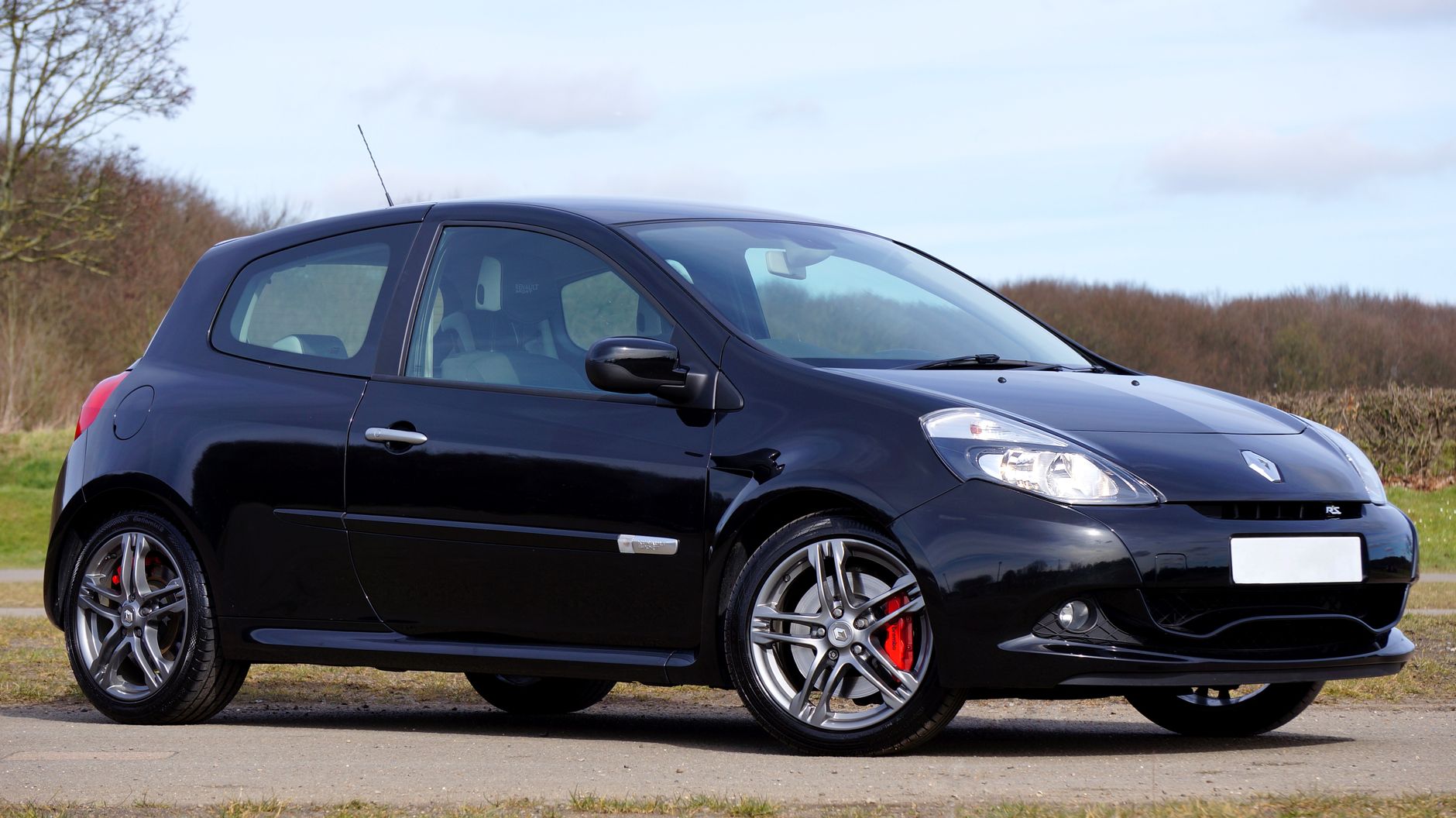
Renault Collaborates with IIT Kanpur for Vehicle Innovation
6h ago

Renault and IIT Kanpur Collaborate on Vehicle Engineering
6h ago
Renault and IIT Kanpur Collaborate on Vehicle Engineering
6h ago

Renault and IIT Kanpur Collaborate on Vehicle Engineering
6h ago

SP Group Launches First Dollar Debt Issue After Delays
8h ago
Advertisement